
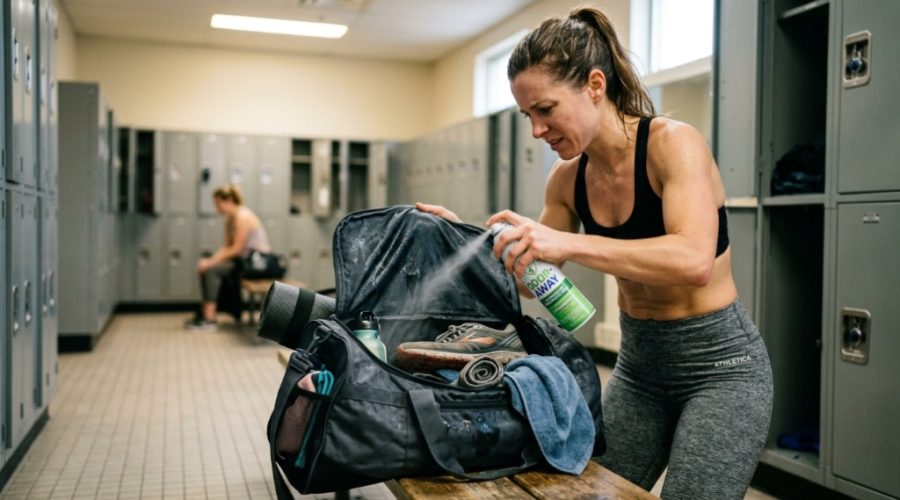
Step outside in a Florida summer and your shirt is damp before you reach the car. That same moisture doesn’t stop at your skin — it follows you into your gym bag, settles into fabric, and waits. For anyone training in the South, choosing Reliable gym bags for Florida athletes is less about style and more about surviving constant humidity. This article explains exactly what humidity does to your gear, why some bags handle it far better than others, and what you can do to keep everything inside fresh and functional.
Quick Answer
Humidity damages workout gear in two main ways: it traps moisture and odor inside fabrics, and it accelerates rust, mildew, and material breakdown. Gym bags with water-resistant exteriors, ventilated compartments, and moisture-wicking linings handle Florida’s climate far better than canvas or unlined bags. The most effective fix is a combination of a breathable bag, drying gear before it goes inside, and routine cleaning and airing out.
Key Takeaways
- High humidity slows evaporation, so sweat-soaked gear stays damp longer and breeds odor-causing bacteria faster.
- Bag materials matter more than bag size — water-resistant synthetics outperform untreated canvas in humid climates.
- Ventilation is the single most important design feature for a humid-climate gym bag.
- Metal hardware and zippers corrode faster in humid air, especially near saltwater environments.
- A simple post-workout routine prevents most humidity-related damage to both bag and gear.
What Humidity Actually Does to Workout Gear
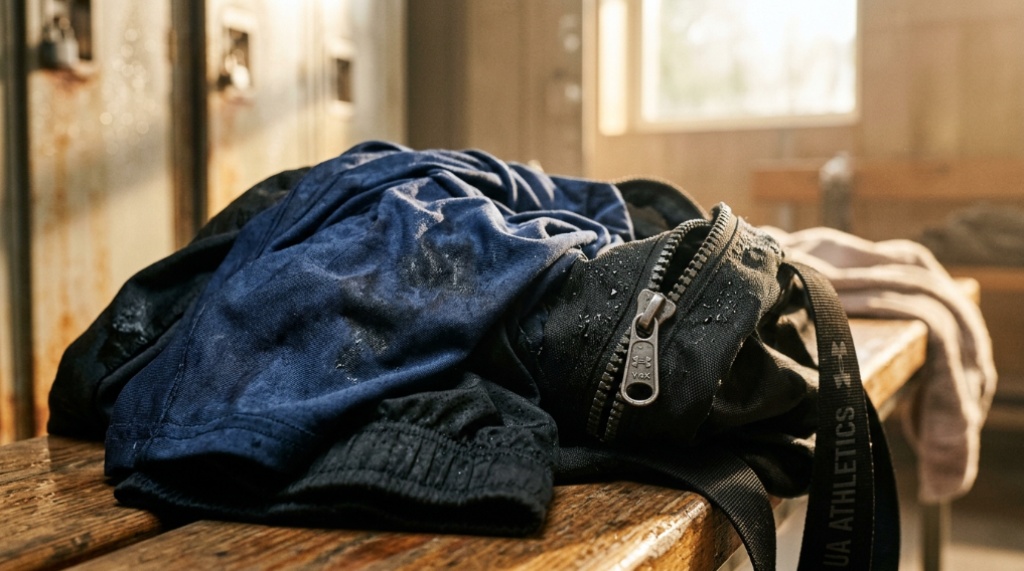
Humidity doesn’t just make things feel wet — it changes how fast moisture leaves a surface. In high humidity, the air is already close to saturated, so sweat evaporates more slowly. That means your clothes, towel, gloves, and shoes stay damp longer, giving bacteria and fungi more time to multiply.
The result isn’t just smell. Damp fabric weakens over time, elastic stretches out, and synthetic fibers can develop a sour smell that regular washing struggles to remove. Leather accessories, straps, and metal zippers degrade faster too. In Florida, this process happens faster than in drier climates because the air itself keeps feeding moisture back into your gear, Just as you need to protect your athletic apparel from moisture and wear, choosing the right equipment is equally essential—check out our guide on the Right Golf Bag for Beginners in 2026 to gear up properly for your next outdoor sport.
Why the Gym Bag Matters More Than Most People Think
A gym bag in a humid climate works like a sealed environment. If your gear is damp when you zip it up, the bag traps that moisture for hours — sometimes days. That’s the real problem: the bag doesn’t just carry your gear, it preserves the conditions that ruin it.
Bags that breathe or resist moisture break that cycle. Bags that don’t become a source of the problem. This is why athletes who train outdoors or in humid gyms often replace cheap bags every season while others last years with the same routine.
Signs Your Bag Is Already Losing the Humidity Fight
- A persistent musty smell even after cleaning
- Zippers that stick or show rust-colored residue
- Interior lining that feels clammy or peels
- Fabric that stays damp longer than your clothes do
Materials That Hold Up vs. Materials That Don’t
Material choice determines how well a bag handles constant moisture. Here’s how common options compare.
| Material | Moisture Behavior | Best For | Weakness |
|---|---|---|---|
| Polyester / nylon | Resists absorption, dries fast | Daily gym use, humid climates | Can trap odor if unlined |
| Treated canvas | Water-resistant only while coating lasts | Casual or short trips | Coating wears off, then absorbs |
| Untreated canvas | Absorbs moisture quickly | Dry climates | Poor choice in Florida humidity |
| Leather | Repels light moisture but can grow mildew | Style-focused use | Needs regular conditioning |
| Mesh panels | Excellent airflow | Ventilated sections | Not waterproof on its own |
The takeaway isn’t that one material wins outright. It’s that the best bags combine a water-resistant shell with ventilated sections, so moisture can escape rather than sit.
Features That Make a Difference in Humid Climates
Not every feature labeled “ventilated” actually works. Here’s what to look for when the climate is working against you.
- Mesh or perforated side compartments: allows air to move around damp shoes and towels.
- Water-resistant base: most bags sit on locker room floors or car trunks where condensation collects.
- Separate wet/dry pockets: keeps sweat-soaked items from contaminating clean gear.
- Coated or rust-resistant zippers: the first part to fail in humid conditions.
- Wipeable interior lining: easier to clean and less likely to hold odor.
Missing one or two of these isn’t fatal. Missing all of them means you’re fighting your bag instead of your workout.
A Practical Routine That Prevents Most Humidity Damage
The bag alone won’t solve the problem. A simple routine does most of the work.
- Empty the bag as soon as you get home — don’t let damp gear sit overnight.
- Hang wet clothes, towels, and shoes to dry outside the bag.
- Leave the bag open in a ventilated area, even for a few hours.
- Wipe down the interior weekly with a mild soap solution and let it air dry fully.
- Rotate between two bags if you train daily, giving each one time to dry completely.
This routine takes minutes and dramatically extends the life of both gear and bag.
Common Mistakes That Shorten Bag Life
Most humidity-related damage comes from habits, not bad luck.
- Zipping up damp gear: traps moisture and odor for hours.
- Storing the bag in a hot car: heat plus humidity accelerates mildew.
- Washing the bag in a machine: damages coatings and waterproof linings.
- Ignoring the first musty smell: by the time it’s noticeable, bacteria have colonized the fabric.
- Choosing a bag based on looks alone: style fades; mold doesn’t.
Frequently Asked Questions
Does humidity really damage a gym bag, or just make it smell?
Both. Smell is the first sign, but prolonged moisture also weakens stitching, corrodes zippers, and breaks down interior linings. The damage is cumulative.
Are mesh gym bags better than solid ones in Florida?
Mesh improves airflow, which helps damp gear dry faster. However, a fully mesh bag offers no protection from rain or wet floors. A hybrid design with mesh panels and a water-resistant shell works best.
How often should I clean a gym bag in a humid climate?
Wipe the interior weekly and do a deeper clean monthly. If you train daily or sweat heavily, clean it more often — once odor develops, it’s harder to remove.
Can I put my gym bag in the washing machine?
Usually not. Machine washing can ruin water-resistant coatings, distort structure, and damage zippers. Spot clean with mild soap and air dry instead.
What’s the best way to store a gym bag between workouts?
Leave it open, unzipped, and in a ventilated space. Avoid closets, car trunks, and anywhere moisture can’t escape.
Do humidity problems get worse near the coast?
Yes. Salt air adds corrosive particles to the moisture, which speeds up rust on metal components and can degrade fabric coatings faster than inland humidity alone.
Conclusion
Humidity doesn’t have to ruin your gear or your bag. The fix comes down to three things: choose a bag built for moisture, dry your equipment before it goes inside, and give the bag room to breathe between workouts. Athletes who treat these as habits rather than chores get years of use out of gear that others replace every season. Start with your routine — the right bag makes the rest easier.