
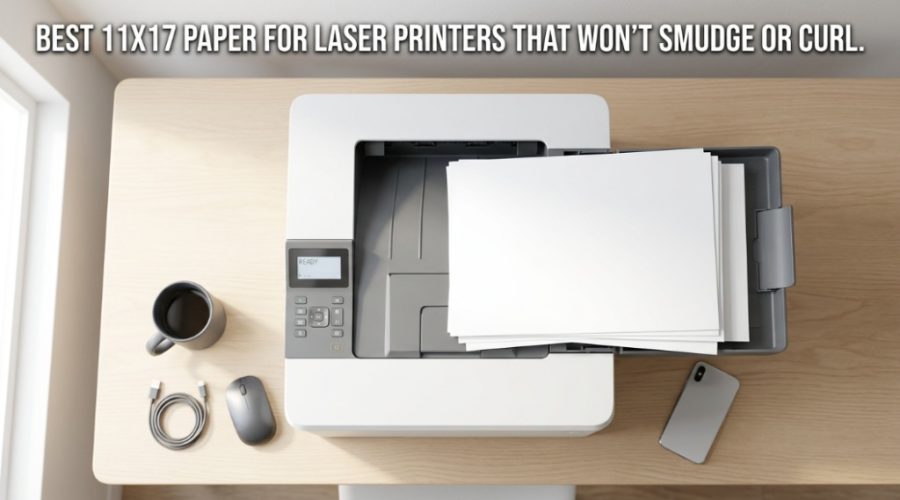
Blueprint rooms, architecture studios, and print shops learned this years ago: bad laser printer paper 11×17 can destroy a perfect print job faster than a low-toner warning. Smudged graphics, curled edges, warped sheets, and toner flakes usually come from poor paper compatibility—not your printer. If you print spreadsheets, CAD drawings, posters, brochures, or tabloid-size documents, choosing smooth finish paper built for laser heat is critical for sharp results and jam-free performance.
Laser printer paper 11×17 is tabloid-size paper engineered to handle high-temperature toner fusion without curling, smearing, or paper jams. The best options use smooth finish paper with balanced moisture control, proper brightness, and heavier GSM ratings for clean professional printing.
Why Does Regular 11×17 Paper Smudge or Curl Inside Laser Printers?
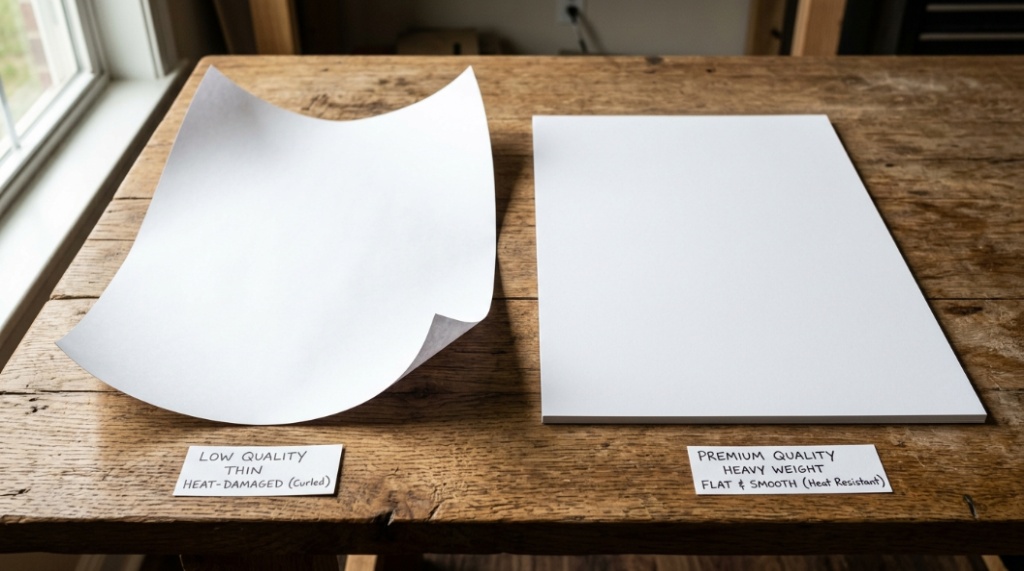
Cheap or incompatible paper often traps moisture and reacts poorly to laser printer heat, causing edge curling, toner smearing, and feed issues.
Laser printers use heat and pressure to fuse toner onto paper. During printing, internal fuser temperatures can exceed 350°F. Standard copy paper made for inkjet printers often lacks the coating, density, and moisture balance needed for laser printing. As a result:
- Paper absorbs humidity unevenly
- Edges curl after heat exposure
- Toner fails to bond correctly
- Graphics appear dusty or flaky
- Double-sided printing becomes inconsistent
- Paper jams increase
Tabloid-size printing magnifies these problems because larger sheets flex more under heat. That is why professional print shops prioritize laser-compatible smooth finish paper with low moisture content and stable fiber construction.
What Makes Best Laser Printer Paper 11×17?
The best laser printer paper 11×17 combines smooth texture, proper weight, heat resistance, and high brightness for crisp toner adhesion.
Not every tabloid-size paper performs equally. Several technical factors determine print quality and reliability.
Paper Weight Matters
Heavier paper resists curling better than thin stock. Standard office paper usually ranges between 20 lb and 24 lb, while premium laser stock can reach 32 lb or cardstock thickness.
| Paper Weight | Best Use | Curl Resistance |
|---|---|---|
| 20 lb | Basic office printing | Moderate |
| 24 lb | Reports and presentations | Good |
| 28 lb | Brochures and graphics | Very Good |
| 32 lb | Premium marketing prints | Excellent |
Brightness Improves Toner Sharpness
Brightness ratings between 96 and 100 produce sharper black text and more vibrant graphics. High-brightness smooth finish paper reflects toner better, especially for charts and presentation materials.
Surface Texture Affects Toner Bonding
Smooth finish paper creates even toner distribution. Rough paper surfaces cause inconsistent toner adhesion and reduce image sharpness.
Moisture Control Reduces Curling
Premium laser paper contains controlled moisture levels to prevent expansion during high-temperature printing.
Which Smooth Finish Paper Works Best for Professional Printing?
Smooth finish paper with laser-specific coating delivers cleaner text, sharper graphics, and lower jam rates than standard copy paper.
Businesses using tabloid-size printing often choose ultra-smooth paper because toner sits evenly across the surface. This improves:
- Presentation quality
- Architectural blueprint readability
- Fine-line graphic detail
- Double-sided print consistency
- Color laser performance
Design studios frequently use smooth finish paper for brochures and posters because rough fibers scatter toner particles. A smoother surface keeps lines sharp and gradients cleaner.
What Are Best 11×17 Paper Options for Laser Printers?
Top-performing papers balance smoothness, weight, brightness, and heat stability for professional-quality printing without smudging or curling.
Hammermill Premium Laser Print 11×17
This paper is widely used for presentations, proposals, and marketing materials because of its ultra-smooth finish and high brightness.
- Brightness: 98
- Weight: 32 lb
- Best for: Business graphics and brochures
- Strength: Excellent toner bonding
HP Premium Choice LaserJet Paper
HP engineered this paper specifically for LaserJet printers, improving feed reliability and reducing curl after duplex printing.
- Brightness: 98
- Weight: 32 lb
- Best for: Corporate reports
- Strength: Reliable duplex printing
Georgia-Pacific Spectrum Silk
Spectrum Silk offers a premium smooth finish paper surface suitable for color graphics and large-format business documents.
- Brightness: 96
- Weight: 28 lb
- Best for: Color-rich graphics
- Strength: Reduced toner scatter
Boise X-9 Multi-Use Paper
This option balances affordability with solid laser performance for daily office printing.
- Brightness: 92
- Weight: 20 lb
- Best for: High-volume office printing
- Strength: Budget-friendly
How Does Paper Finish Affect Laser Print Quality?
Smoother paper surfaces create sharper text and cleaner graphics because toner bonds evenly during heat fusion.
Laser toner sits on top of paper instead of soaking into fibers like inkjet ink. That means surface texture directly affects clarity.
| Paper Finish | Laser Print Quality | Best Applications |
|---|---|---|
| Smooth Finish | Excellent sharpness | Brochures, reports |
| Matte Finish | Balanced readability | Documents, manuals |
| Gloss Finish | High image vibrancy | Flyers, marketing |
| Textured Finish | Lower toner consistency | Specialty printing |
For most offices and professionals, smooth finish paper delivers the best balance between readability and reliability.
Can Thick 11×17 Paper Damage Laser Printers?
No, as long as your printer supports heavier stock weights within manufacturer specifications.
Modern laser printers from brands like HP, Brother, Canon, and Xerox support multiple paper weights through bypass trays or specialty feed paths. Problems occur when users insert cardstock exceeding supported GSM limits.
Before buying thicker laser printer paper 11×17, check:
- Maximum supported GSM
- Manual feed compatibility
- Duplex support limitations
- Recommended paper types
Using unsupported thick stock can lead to:
- Fuser damage
- Paper jams
- Misaligned toner transfer
- Incomplete feeding
Why Does Humidity Ruin Large-Format Laser Printing?
Humidity changes paper moisture levels, causing expansion, curl, and inconsistent toner fusion.
Paper naturally absorbs moisture from surrounding air. In humid environments, 11×17 sheets become more flexible and unstable. When heated inside a laser printer, trapped moisture rapidly evaporates, creating curled edges and wavy prints.
Print shops often store laser paper in climate-controlled rooms between 40% and 50% humidity for stable printing performance.
How Can You Prevent Paper Curl?
Store paper properly and use laser-compatible smooth finish paper designed for high-temperature printing.
- Keep paper sealed until use
- Store horizontally
- Avoid direct sunlight
- Use climate-controlled storage
- Fan paper before loading trays
Is Bright White Paper Better for Laser Printers?
Yes. High-brightness paper improves contrast, readability, and graphic sharpness.
Brightness ratings measure light reflection. Papers rated between 96 and 100 produce cleaner-looking documents with deeper blacks and sharper lines.
This matters for:
- Business presentations
- Architectural drawings
- Marketing brochures
- Color laser graphics
- Charts and spreadsheets
Research from paper manufacturers shows high-brightness paper improves readability and perceived print quality in professional settings.
Which Paper Size Works Best for Tabloid Printing?
11×17 tabloid paper is ideal for large spreadsheets, engineering plans, booklets, menus, posters, and presentation layouts.
Many businesses outgrow standard Letter paper because detailed content becomes difficult to read. Tabloid-size printing allows larger graphics and clearer formatting without excessive scaling.
Common 11×17 Printing Uses
- Architecture blueprints
- Restaurant menus
- Event posters
- Financial spreadsheets
- Booklet layouts
- Training manuals
- Marketing flyers
Should You Use Inkjet Paper Inside Laser Printers?
No. Inkjet paper is designed for liquid ink absorption, not high-temperature toner fusion.
Using inkjet paper inside a laser printer often causes:
- Smearing
- Warping
- Paper curling
- Toner flaking
- Heat damage
Laser-specific smooth finish paper includes heat-resistant coatings and optimized fiber construction.
What Paper Weight Is Best for Double-Sided 11×17 Printing?
24 lb to 32 lb paper typically delivers best duplex performance without excessive show-through or curling.
Thin 20 lb paper often wrinkles during duplex printing because sheets pass through heated rollers twice. Heavier stock remains flatter and improves page opacity.
For professional double-sided documents:
- Use 28 lb or 32 lb paper
- Choose laser-certified stock
- Select smooth finish surfaces
- Avoid humid storage conditions
How Do Businesses Choose Commercial Laser Printing Paper?
Commercial buyers prioritize reliability, toner compatibility, brightness, and total operating cost.
Large offices and print centers calculate paper performance based on more than price alone. Low-quality paper increases waste through jams, reprints, toner inefficiency, and maintenance costs.
Professional print environments often evaluate:
- Jam frequency
- Duplex reliability
- Toner adhesion quality
- Surface smoothness
- Curl resistance
- Storage durability
Industry studies show paper-related issues account for a major percentage of office printer service calls. Using premium laser paper reduces downtime significantly.
Does Recycled 11×17 Paper Work Well in Laser Printers?
Yes, high-quality recycled laser paper can perform well if engineered for laser compatibility.
Modern recycled papers have improved dramatically compared to earlier generations. Many now feature:
- High brightness ratings
- Smooth laser-friendly surfaces
- Reduced dust particles
- Stable moisture balance
However, lower-grade recycled paper may produce more lint and increase feed issues in high-speed laser printers.
What Features Should You Avoid When Buying Laser Printer Paper 11×17?
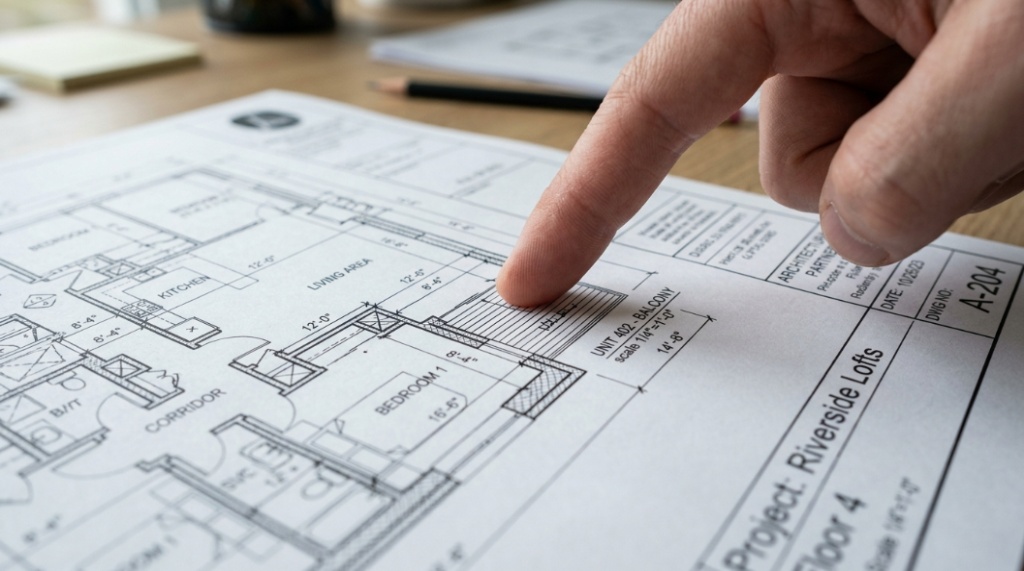
Avoid overly thin, rough, or non-laser-certified paper for professional tabloid printing.
Common mistakes include buying paper based only on price or brightness without considering printer compatibility.
Red Flags to Avoid
- Unspecified printer compatibility
- Low GSM thin sheets
- Excessively rough texture
- Cheap bulk paper with inconsistent cuts
- High-moisture storage damage
- Non-certified glossy stock
Cheap paper often increases long-term costs through wasted toner and reprints.
Conclusion
Choosing best laser printer paper 11×17 is not just about paper size. It directly affects toner adhesion, print clarity, curling resistance, duplex reliability, and overall printer performance. Smooth finish paper engineered for laser printers produces cleaner graphics, sharper text, and fewer paper jams compared to generic copy paper.
For most professional environments, 28 lb to 32 lb bright white laser paper offers best results. Businesses printing presentations, architectural plans, marketing materials, or large spreadsheets benefit most from premium laser-certified stock with stable moisture control and smooth surfaces.
If smudging, curling, or poor print quality keeps ruining your tabloid-size documents, upgrading paper quality is often fastest and cheapest fix. Investing in proper laser-compatible paper reduces waste, improves professionalism, and protects printer hardware over time.
Before your next print run, check paper weight, finish, brightness, and laser compatibility carefully. Small paper upgrades can produce dramatic improvements in print quality and reliability.
Frequently Asked Questions
What is best paper weight for laser printer paper 11×17?
Best paper weight depends on usage. For professional printing, 28 lb to 32 lb paper provides strong curl resistance, better opacity, and cleaner toner bonding.
Why does laser printer paper curl after printing?
Paper curls because laser printers use high heat during toner fusion. Low-quality paper absorbs moisture unevenly, causing expansion and edge warping.
Can glossy paper work inside laser printers?
Yes, but only laser-compatible glossy paper designed to handle high fuser temperatures. Inkjet glossy paper can melt or smear.
Is smooth finish paper better for graphics?
Yes. Smooth finish paper creates sharper images and cleaner text because toner spreads evenly across flat surfaces.
Does brightness affect laser print quality?
Yes. Higher brightness ratings improve contrast, readability, and graphic clarity by reflecting more light.
Can I use cardstock in laser printers?
Yes, if your printer supports heavier paper weights. Always check manufacturer GSM recommendations before printing cardstock.
What causes toner smudging on 11×17 paper?
Toner smudging usually comes from incompatible paper, excessive moisture, incorrect printer settings, or low-quality surfaces that fail to bond toner properly.
📌 Related Reads
Discover: Smooth Printer Paper That Improves Color Prints
Learn: How to Build a Profitable Subscription-Based E-commerce Business from Scratch