
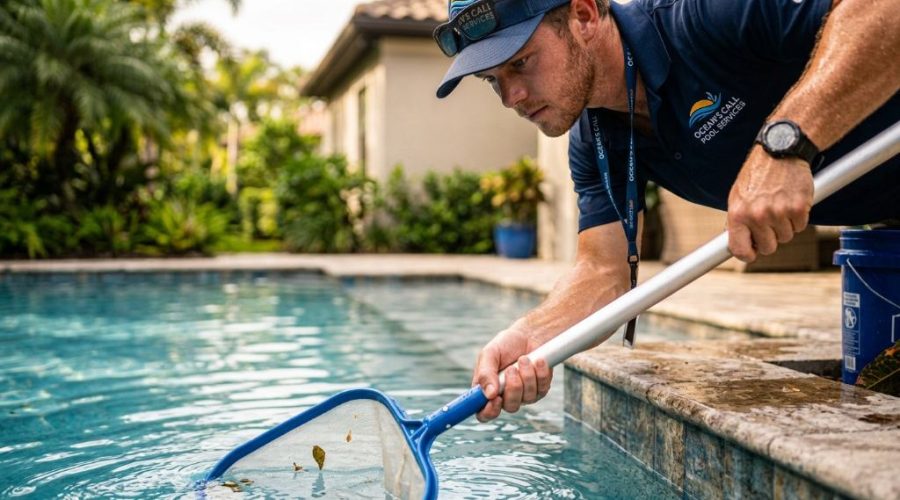
New York pool owners face a maintenance reality that owners in Phoenix or Miami never deal with: a pool that swings from humid summer swimming conditions to a frozen, snow-covered surface in a matter of months. That cycle changes everything — water chemistry, debris patterns, equipment wear, and how often you actually need to clean the pool floor. If you rely on cordless robotic pool vacuum cleaners for New York pools, understanding how humidity and the four-season climate affect your pool will help you get more out of your equipment and avoid costly off-season damage. Here’s what actually changes from spring opening to winter closing, and what to do about it.
Quick Answer
New York’s humidity and seasonal swings affect pool maintenance in three main ways: summer humidity slows evaporation but increases algae and debris, fall leaf drop overwhelms filtration, and winter freezing threatens plumbing and surfaces if the pool isn’t properly closed. Pool chemistry, cleaning frequency, and equipment upkeep all need to shift with the seasons rather than staying on a single year-round schedule.
Key Takeaways
- High summer humidity reduces water evaporation but creates ideal conditions for algae and bacteria, so sanitizer demand rises even when the pool “looks fine.”
- Fall in New York brings heavy leaf and organic debris loads that will clog filters and skimmers quickly unless cleaning happens more often.
- Winter closing is not optional in most of New York — freezing temperatures can crack pipes, damage liners, and destroy equipment left exposed.
- Robotic cleaners with rechargeable, cordless designs are especially practical in New York because they can run in cold water and don’t require a nearby outlet or long cable.
- Maintenance in New York is less about water loss and more about chemistry stability, debris management, and freeze protection.
Why New York’s Climate Is Harder on Pools Than Most People Expect
New York sits in a humid continental climate zone. That means hot, humid summers and cold, often snowy winters, with rapid transitions in between. For pool owners, this creates a maintenance profile that is genuinely different from warmer states.
In places like Florida or Arizona, pools are often open and used year-round. In New York, most residential pools operate roughly from late May through September, with the shoulder seasons requiring active preparation and closing. That compression means every maintenance task — balancing chemicals, cleaning, equipment checks — has to happen within a shorter window, and mistakes made in fall or spring can carry consequences into winter.
Humidity plays a specific role here. High humidity does not mean the pool stays cleaner. It actually changes how water behaves and how quickly contaminants build up.
How Humidity Affects Pool Water Chemistry and Cleaning
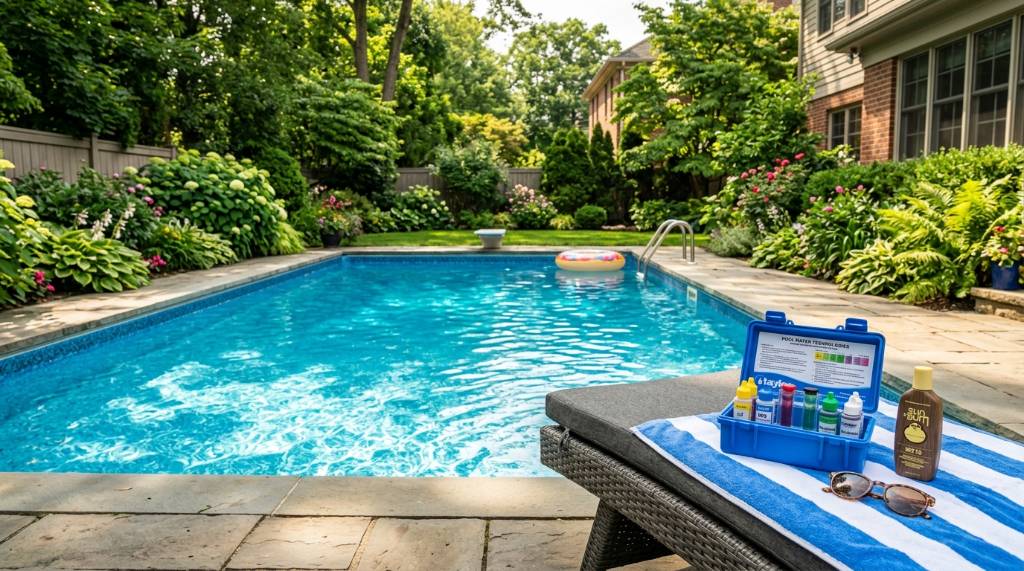
Humidity affects two things simultaneously: how much water evaporates from the pool and how fast contaminants and organisms develop in it. Both matter for maintenance.
Lower evaporation, but not necessarily lower water loss problems
When the air is already saturated with moisture, water evaporates more slowly from the pool surface. That sounds helpful, and in summer it partly is — you top off the pool less often than a desert pool owner would. But lower evaporation also means the pool surface stays warm and the water column holds heat, which accelerates biological activity.
Higher biological load
Warm, humid air plus warm water is the ideal environment for algae, bacteria, and organic growth. During humid stretches in July and August, sanitizer levels can drop faster than expected because contaminants are entering and multiplying more actively. Pool owners often notice cloudy water or early algae blooms even when chlorine readings seem “normal” on a test strip. That’s a sign the sanitizer is being consumed faster than the test reflects.
Rainfall and runoff
Humidity in New York often comes with rain. Summer thunderstorms can dump significant water into the pool in a short time, diluting chemicals and washing debris, pollen, and lawn runoff into the water. After a heavy rain, chlorine and pH can shift noticeably, and the pool floor gets a fresh layer of grit and organic matter.
Practical response: test chemistry more often during humid, rainy stretches, not less. And plan to run the cleaner after storms rather than waiting for a weekly schedule.
Season-by-Season Maintenance in New York
Each season in New York asks something different from a pool owner. Treating the pool the same way in April and August is one of the most common maintenance mistakes.
| Season | Main Maintenance Focus | Key Risk |
|---|---|---|
| Spring (opening) | Removing winter cover, cleaning debris, balancing water, restarting equipment | Algae bloom and cloudy water from stagnant overwintering |
| Summer | Frequent chemistry testing, sanitizer management, debris removal | Algae, bacteria, chemical imbalance from rain and heat |
| Fall | Leaf and organic debris control, filter cleaning, pre-closing prep | Clogged skimmers, stained surfaces, organic buildup |
| Winter | Closing the pool, protecting pipes and equipment from freezing | Frozen plumbing, cracked surfaces, equipment damage |
Spring: opening the pool after a New York winter
Opening day in New York is rarely simple. Water that sat under a cover for months often has a layer of debris, a chemical imbalance, and possibly the beginnings of algae. The priority is to remove organic material first — leaves, twigs, and sludge — before adding chemicals. Cleaning the floor and walls early prevents the filter from being overwhelmed and gives sanitizers a chance to work.
Testing and balancing should follow, but not before the bulk of debris is physically removed. Adding chlorine to a pool full of leaves wastes it.
Summer: managing heat, humidity, and heavy use
Summer is peak swimming season and peak contamination season. Sunscreen, sweat, body oils, and outdoor debris all enter the water. Combined with humidity, this is when chemistry is most likely to drift. Running a cleaner more frequently — sometimes daily during busy weeks — keeps the floor clear and reduces the load on the filtration system.
Fall: the debris problem New York pools can’t avoid
New York has significant tree cover in many residential areas, and fall leaf drop can be relentless. Leaves that sink and sit on the pool floor don’t just look bad — they stain surfaces and consume chlorine as they decompose. Skimmers and filters clog quickly, and if the pool is left unattended for a week or two, the cleanup can be substantial.
Winter: why closing properly matters more than anything else
Freezing is the single biggest structural threat to a New York pool. Water expands as it freezes, and that expansion can crack pipes, split fittings, and damage the pool shell or liner. Winterizing involves lowering the water level, blowing out lines, adding antifreeze where appropriate, and covering the pool. Skipping or rushing this process is the most expensive mistake a New York pool owner can make, If you are looking to expand your business reach beyond local property care or want to scale your remote hiring operations, check out our guide on how to build and hire from affordable talent pools near florida universities to streamline your team building.
Why Cordless Robotic Cleaners Fit New York Pools Well
Robotic pool cleaners have become common in New York for practical reasons that go beyond convenience. The climate and seasonality of the region make certain features more valuable here than in year-round pool markets.
- No cable or outlet dependency. Cordless models run on rechargeable batteries, which means they can be used at any point in the pool, regardless of where an outdoor outlet is located or whether it’s safely accessible in wet conditions.
- Effective in cold water. Cleaning during spring opening or late fall often means working in water that isn’t comfortable for swimming. A robotic cleaner doesn’t care about temperature the way a person does.
- Consistent floor coverage. New York pools deal with heavy debris loads in fall and after summer storms, and a robotic cleaner can be scheduled to run frequently without manual effort each time.
- Reduced strain on filtration. By capturing debris before it reaches the filter, robotic cleaners help extend filter cycles and reduce backwashing or cartridge cleaning frequency.
The trade-off is that cordless models need charging time, and battery life varies by model and cleaning mode. For very large pools or heavy debris situations, a single charge may not cover the entire pool, which is worth considering when choosing a unit.
Common Mistakes New York Pool Owners Make
Most pool problems in New York trace back to a handful of recurring errors.
- Treating summer and winter maintenance the same. The tasks, timing, and risks are completely different.
- Waiting too long to remove fall leaves. By the time they’re visible on the surface, many have already sunk and started staining and consuming chlorine.
- Under-testing during humid periods. Sanitizer demand rises in humidity, and eyeballing the water isn’t reliable.
- Skipping or rushing winterization. This is the costliest mistake and the hardest to reverse.
- Ignoring the pool floor. Debris that settles and sits is a bigger long-term problem than debris floating on top.
Frequently Asked Questions
Does high humidity make pool maintenance easier or harder?
Harder overall. Humidity reduces evaporation, which is a minor benefit, but it also encourages algae and bacteria growth and often comes with rain that dilutes chemicals and adds debris.
How often should I clean my pool in New York during fall?
More often than in summer if you have trees nearby. Daily or every other day skimming and floor cleaning during peak leaf drop prevents debris from sinking, staining surfaces, and clogging the filtration system.
Can I leave my pool open year-round in New York?
It’s possible in some setups, but not practical for most residential pools. Freezing temperatures require either proper winterization or continuous heating and circulation, which significantly increases operating costs and equipment risk.
Do robotic pool cleaners work in cold water?
Most do. Cold water doesn’t stop a robotic cleaner from operating, which makes them useful during spring opening and fall cleanup when manually cleaning is uncomfortable.
What’s the biggest seasonal risk for a New York pool?
Freezing. Water expansion during winter can crack pipes, damage fittings, and harm the pool shell if the pool isn’t properly closed and protected.
How does rain affect pool chemistry in New York?
Rain dilutes sanitizer and can shift pH, and it washes in debris and runoff. After heavy rain, testing and rebalancing is usually necessary rather than optional.
Conclusion
New York’s humidity and distinct seasons demand a maintenance approach that changes throughout the year. Summer humidity raises sanitizer demand and biological growth, fall brings heavy debris loads that stress filtration, and winter freezing threatens the pool’s structure if closing is skipped. Matching your cleaning frequency, chemistry testing, and equipment use to each season is what keeps a New York pool healthy and reduces long-term repair costs. The practical next step is to build a seasonal checklist and make sure your cleaning equipment can handle the debris and temperature extremes your pool actually faces.