

Identity theft continues affecting millions of people annually, while paper records remain a common security risk. Additionally, many businesses still rely on printed files that contain confidential labels and personal information. Understanding preparing documents for shredding helps reduce unnecessary exposure before disposal. Therefore, following the right process protects sensitive information while supporting organized document destruction practices.
Understand Which Labeled Documents Need Special Attention
Not every labeled document carries the same level of risk before shredding. However, files containing names, addresses, account numbers, or medical details deserve careful handling. Creating a secure workspace becomes easier after reviewing printer stand storage ideas that improve document organization.
Phoenix businesses often manage invoices, tax records, employment files, and legal paperwork every day. Consequently, separating sensitive documents before shredding reduces accidental exposure during the disposal process. Organized preparation also saves valuable time during scheduled shredding sessions.
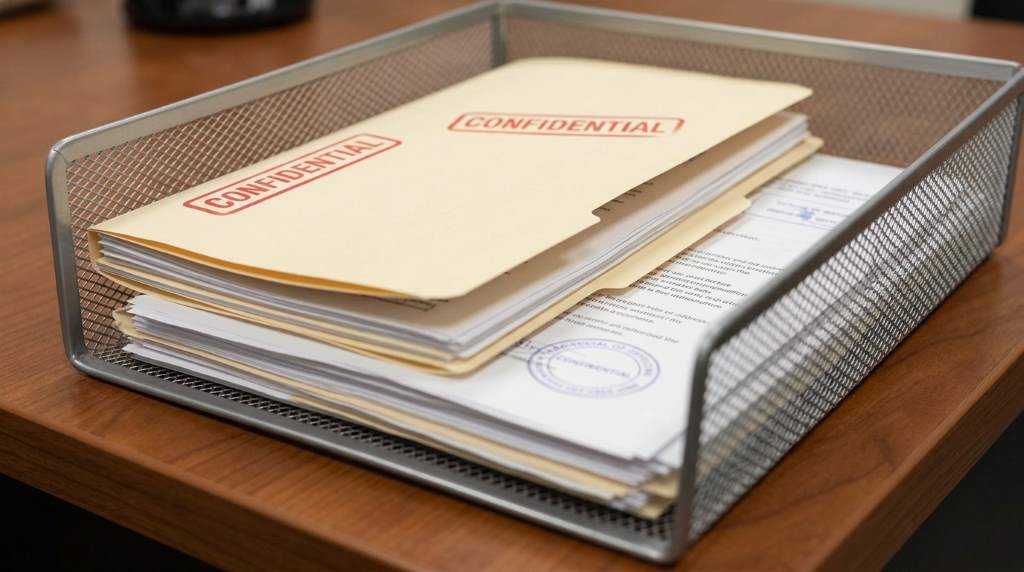
Common Documents to Separate First
- Employee records
- Medical paperwork
- Financial statements
- Tax documents
- Customer contracts
- Shipping labels containing personal information
- Insurance paperwork
Remove Items That Can Slow the Shredding Process
Many shredders process paper efficiently, yet unnecessary materials may reduce performance over time. Therefore, inspect every document before placing it into the shredder. Comfortable workstations inspired by an ergonomic chair home office setup also make sorting easier during larger projects.
Although modern commercial shredders handle staples and small paper clips, checking equipment guidelines remains important. Furthermore, remove thick plastic sleeves, binders, and bulky folders before shredding begins. This simple habit prevents avoidable equipment interruptions.
Items to Remove Before Shredding
- Plastic folders
- Binder clips
- Rubber bands
- Laminated covers
- Large metal fasteners
- Plastic wallets
Organize Documents Into Clear Categories
Sorting paperwork before shredding improves efficiency and reduces mistakes during disposal. Likewise, grouping similar files allows every batch to receive consistent handling. Businesses seeking sustainable organization can also review zero waste office filing practices that reduce unnecessary paper waste.
Use separate containers for confidential, recyclable, and non confidential materials before starting. As a result, employees avoid mixing documents that require different disposal methods. A structured process also strengthens workplace security.
Recommended Sorting Categories
- Highly confidential documents
- Internal business records
- Financial paperwork
- Customer information
- Documents ready for recycling
Check Labels for Hidden Sensitive Information
Many adhesive labels contain more information than people initially notice. For example, shipping labels often display addresses, phone numbers, tracking details, and account references. Reviewing every label before shredding prevents confidential information from remaining exposed.
Old storage boxes sometimes include handwritten notes that reveal project names or client information. Therefore, inspect every visible label before placing documents into disposal containers. Careful reviews improve overall document security.
Protect Documents Before the Scheduled Shredding Time
Confidential paperwork remains vulnerable until complete destruction occurs. Accordingly, store labeled documents inside locked cabinets or secure containers before shredding day arrives. Restricted access lowers the possibility of unauthorized viewing.
Limit handling to trained employees whenever sensitive paperwork moves between departments. Consequently, businesses maintain stronger accountability throughout the disposal process. Simple tracking procedures also improve compliance efforts.
Choose the Right Shredding Method
Different shredding methods provide different security levels for confidential paperwork. Cross cut and micro cut shredders create much smaller pieces than strip cut machines. Smaller particles make document reconstruction significantly more difficult.
Large organizations often benefit from scheduled professional shredding services instead of standard office equipment. Meanwhile, smaller offices may safely manage lower document volumes with commercial grade shredders. Selecting the proper method depends on workload and confidentiality requirements.
Create a Consistent Document Destruction Policy
Every workplace benefits from written procedures covering document handling before shredding. Furthermore, clear policies help employees follow the same secure process every time. Consistency reduces human error across departments.
Include document retention schedules, approved storage locations, and shredding responsibilities within company guidelines. Additionally, review policies regularly as regulations or business needs change. Updated procedures support stronger long term information protection.
Train Employees on Secure Document Handling
Employees play an important role in protecting confidential information before shredding begins. Therefore, regular training should explain proper sorting, storage, and disposal practices. Practical demonstrations often improve daily compliance.
Managers should also encourage staff to report unsecured paperwork immediately. As a result, potential security issues receive faster attention before sensitive information becomes exposed. Ongoing education strengthens workplace awareness.
Avoid Common Mistakes Before Shredding
Many security problems develop because simple preparation steps receive little attention. Instead of rushing the process, inspect every document carefully before disposal begins. Small improvements create meaningful protection.
- Leaving confidential files unattended
- Mixing recyclable paper with sensitive documents
- Ignoring labels containing personal details
- Overloading office shredders
- Skipping employee training
- Using damaged storage containers
Conclusion
Handling labeled documents correctly before shredding protects confidential information while improving workplace efficiency. Careful sorting, secure storage, and consistent policies create stronger document security every day. Following these practical steps helps reduce unnecessary risks before destruction begins.
If your organization regularly handles sensitive paperwork, review your document disposal process today. Small improvements now can strengthen privacy, simplify compliance, and create a safer document management system for everyone involved.
Frequently Asked Questions
Should I remove sticky labels before shredding?
Remove large or thick labels when your shredder manufacturer recommends doing so.
Can I shred documents with staples attached?
Many commercial shredders accept staples, but always follow your equipment guidelines.
Why should documents be sorted before shredding?
Sorting reduces mistakes and keeps confidential information properly protected.
How should confidential documents be stored before shredding?
Keep them inside locked containers or secure cabinets until destruction.
What is the safest shredding option for sensitive records?
Micro cut shredding offers one of the strongest levels of document security.