
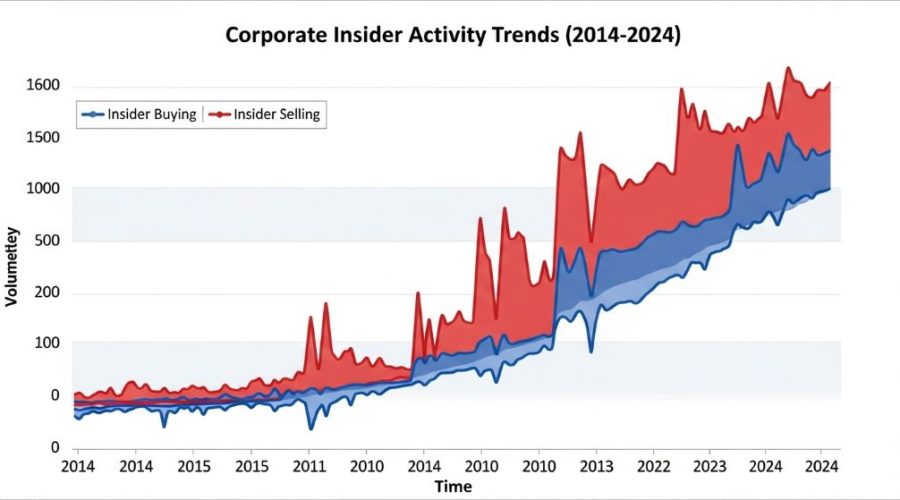
Investors are always looking for an edge. One underused but powerful method is analyzing insider trading signals to find market opportunities. Corporate insiders — such as executives, directors, and major shareholders — often have a deep understanding of their company’s health. When they buy or sell stock, they send a signal to the market. Learning to read these signals can help you spot opportunities before the broader market catches on.
This guide walks you through everything you need to know. You will learn what insider trading signals are, how to find them, and how to use them in your investment analysis.
What Are Insider Trading Signals?
Insider trading signals refer to the legal buying and selling of stock by corporate insiders. This is different from illegal insider trading, which involves acting on non-public, material information.
In the United States, the Securities and Exchange Commission (SEC) requires insiders to report their trades. They must file a Form 4 within two business days of a transaction. These filings are public records. Therefore, any investor can access this information and use it in their research.
The key idea is simple. When an executive buys a large amount of their own company’s stock with personal money, it often signals confidence. They believe the stock is undervalued or that good things are coming. On the other hand, when multiple insiders sell at once, it may signal concerns about the company’s near-term outlook.
However, not every insider trade carries the same weight. Context matters a great deal. A single sale by a CEO could simply be for personal financial planning. A cluster of purchases by multiple insiders, though, is much harder to ignore.
Why Insider Signals Matter for Market Opportunity Analysis
Market opportunity analysis is the process of identifying when and where to invest. It involves studying trends, valuations, sector dynamics, and other indicators. Insider trading data adds a unique layer to this process.
Here is why it matters:
- Insiders have access to detailed internal data that analysts and retail investors do not see.
- Their financial decisions carry real personal risk. They are putting their own money on the line.
- Historically, stocks with heavy insider buying tend to outperform the broader market over a 6- to 12-month period.
- Insider selling, especially in clusters, can warn you before a stock falls significantly.
Additionally, insider signals can help confirm or challenge your existing thesis about a company. If your research suggests a stock is undervalued, and insiders are buying at the same time, that adds conviction to your position.
How to Find and Access Insider Trading Data
Accessing insider trading data is easier than most investors think. Several free and paid sources give you this information quickly.
SEC EDGAR
The SEC’s EDGAR database is the most direct source. All Form 4 filings are available at no cost. You can search by company name or ticker symbol. The filings show the date of the transaction, the number of shares traded, and whether the insider bought or sold.
Financial Data Platforms
Platforms like OpenInsider, Finviz, and Gurufocus aggregate insider data and present it in an easy-to-read format. These tools let you filter by transaction type, cluster size, and time period. Additionally, many brokerage platforms now include insider activity dashboards within their research tools.
Alert Systems
Some tools allow you to set up alerts. For example, you can receive a notification whenever an insider buys more than a certain dollar amount of stock. This keeps you informed in real time without manually checking every day.
Key Metrics to Evaluate in Insider Trading Signals
Not all insider trades are equally meaningful. Therefore, it is important to focus on the right metrics when doing your analysis.
Transaction Size Relative to Compensation
A CEO buying 1,000 shares worth $5,000 is very different from buying 100,000 shares worth $500,000. The larger the purchase relative to the insider’s annual salary and total net worth, the more significant the signal. Look for trades where the insider is making a meaningful financial commitment.
Cluster Buying
A single insider buying shares is interesting. However, when two, three, or more insiders buy shares within the same week or month, the signal becomes much stronger. Cluster buying shows that multiple people with inside knowledge share the same positive outlook.
Open Market Purchases vs. Option Exercises
Pay close attention to the type of transaction. Open market purchases — where the insider buys shares at the current market price using their own cash — carry the most weight. Option exercises and shares received as compensation are routine. They do not tell you much about the insider’s confidence.
Timing and Frequency
Look at when the buying or selling happens. Purchases made just after a stock price drop can signal that insiders see it as a buying opportunity. Purchases made while the stock is already rising may still be meaningful, but they require more careful interpretation. Additionally, patterns of consistent buying over several quarters suggest long-term confidence.

How to Integrate Insider Signals Into Your Analysis Framework
Insider data alone is not enough to make an investment decision. Instead, you should use it as one layer in a broader analytical process.
Step 1: Screen for Insider Activity
Start by using a screening tool to find stocks with recent significant insider buying. Filter for open market purchases, cluster activity, and transaction sizes above a minimum threshold — such as $100,000 or more.
Step 2: Review the Company’s Fundamentals
Once you identify a stock with notable insider activity, dig into the fundamentals. Look at revenue growth, profit margins, debt levels, and cash flow. Insider buying paired with strong fundamentals is a powerful combination.
Step 3: Check Valuation Metrics
Even great companies can be bad investments if bought at the wrong price. Compare the stock’s price-to-earnings ratio, price-to-book ratio, and enterprise value to EBITDA against industry peers. Insider buying in an undervalued stock is far more compelling than insider buying in an already expensive one.
Step 4: Assess the Sector and Market Context
Consider the broader environment. Is the sector trending upward or facing headwinds? Are interest rates, inflation, or regulatory changes likely to affect the company? A well-timed insider purchase in a recovering sector can indicate a great opportunity.
Step 5: Monitor for Follow-Through
After identifying a stock and entering a position, continue monitoring insider activity. If buying continues, that is a positive sign. However, if key insiders start selling shortly after your entry, it is worth reassessing your thesis.
Common Mistakes to Avoid When Using Insider Signals
Many investors misread insider trading data. Here are some common errors to watch out for.
Treating All Insider Sales as Bearish
Insiders sell for many reasons. They may need cash for a home purchase, tax obligations, or diversification purposes. Therefore, a single sale rarely signals danger. Focus on patterns and clusters rather than individual transactions.
Ignoring the Context of the Trade
Always look at what else is happening with the company. If a company just announced disappointing earnings and the CFO sells shares immediately after, that is concerning. However, if a CEO sells a small portion of their holdings during a routine pre-planned trading window, it may mean very little.
Chasing Signals Too Late
Insider filings must be made within two days of a trade, but some investors only notice them days or weeks later. By that point, the market may have already priced in the move. Set up real-time alerts to act on signals as soon as they become available.
Relying Solely on Insider Data
Remember, insiders are not always right. They sometimes buy at the wrong time or misjudge market conditions. Always combine insider signals with your own fundamental and technical analysis before making any investment decision.
Real-World Applications of Insider Signal Analysis
To understand how this works in practice, consider a few illustrative scenarios.
In a hypothetical case, imagine a mid-cap technology company that has seen its stock fall 30% over six months due to broader market pressure. Suddenly, the CEO, CFO, and two board members each buy significant amounts of shares within the same two-week window. Each purchase is made on the open market and represents a large portion of their personal portfolios. This cluster of buying, combined with a beaten-down valuation, would be a strong signal worth investigating further.
Conversely, imagine a pharmaceutical company where the stock has surged 60% following a drug approval. Over the next month, five insiders — including the founder — each sell large portions of their holdings. This pattern might suggest that insiders believe the stock has priced in too much optimism. It could be a warning signal for investors who are thinking about buying into the excitement.
Tools and Resources to Streamline Your Research
Several tools can help you build an efficient insider signal monitoring system.
- OpenInsider.com — free, filterable database of SEC insider filings
- SEC EDGAR Full-Text Search — search Form 4 filings directly
- Finviz Insider Trading Filter — visual screener with sorting options
- Gurufocus Insider Trades — includes guru investor tracking alongside insiders
- Whale Wisdom — aggregates institutional and insider data in one view
Additionally, many investors combine these tools with a simple spreadsheet to track stocks on their watchlist. Recording insider activity over time helps you spot patterns that one-off searches might miss.
Conclusion
Analyzing insider trading signals is a smart and legal way to sharpen your market opportunity analysis. When corporate insiders buy shares with their own money, they are sending a message. Learning to decode that message — and combining it with sound fundamental and sector analysis — gives you a meaningful edge.
The most important points to remember are these. Focus on open market purchases, not option exercises. Pay attention to cluster buying by multiple insiders. Always consider the size of the trade relative to the insider’s wealth. Use multiple data sources and set up real-time alerts to act on information quickly. Finally, never rely on insider signals alone. Use them as one powerful component of a broader research process.
When done correctly, this approach can help you identify undervalued opportunities early, avoid deteriorating companies before the broader market notices, and invest with greater confidence.
Frequently Asked Questions
Is it legal to trade based on insider trading signals?
Yes, it is completely legal. What the law prohibits is trading on material, non-public information. However, the SEC requires insiders to publicly report their trades, and analyzing those public filings is a legitimate investment strategy that many professional investors use.
How quickly do insiders have to report their trades?
n the United States, corporate insiders must file a Form 4 with the SEC within two business days of a transaction. This means the data becomes publicly available very quickly after a trade takes place.
Which types of insider trades are the most reliable signals?
Open market purchases are the strongest signal. These are cases where an insider buys shares at the current market price using their personal cash. Option exercises and stock grants are routine compensation events and carry much less predictive value.
Can insider selling predict a stock decline?
It can, but not always. Insiders sell for many personal reasons. The most meaningful selling signals involve clusters — multiple insiders selling at once — especially if it happens shortly after negative news or when the stock appears overvalued. A single isolated sale is rarely a reliable bearish indicator.
Where can I find insider trading data for free?
The SEC’s EDGAR database is the primary free source. Websites like OpenInsider.com and the Finviz screener also aggregate this data at no cost and present it in a more user-friendly format than raw SEC filings.
Related Topics:
Four Things To Know About Investing In Company Stock
Shiba Inu Price Prediction 2030: Can the Doge-killer Reach $1?