

Label tape is a printable adhesive material used in label makers and thermal printers to create durable identification labels for home, office, retail, warehouse, and industrial use. Choosing the wrong type can lead to peeling, fading, smudging, or wasted money.
Labels seem small. But they control organization, compliance, and workflow. In warehouses, accurate labeling reduces picking errors. In offices, it improves file retrieval. In homes, it saves time. According to a 2023 warehouse operations case study by a mid-sized U.S. logistics company, switching to durable thermal label rolls reduced relabeling costs by 18% within six months and improved scanning accuracy by 11%.
The problem? Many users buy the cheapest tape without checking compatibility, adhesive strength, or environment suitability. The result is wasted supplies and frustration.
This guide explains how to choose the right label tape for different uses. You will learn about compatible label tapes, thermal label rolls, adhesive types, material durability, printer compatibility, and cost efficiency—so you make a decision based on performance, not guesswork.
How Do You Know If a Label Tape Is Compatible With Your Printer?
Always match label tape type with your printer model, printing technology (thermal transfer or direct thermal), and cartridge system.
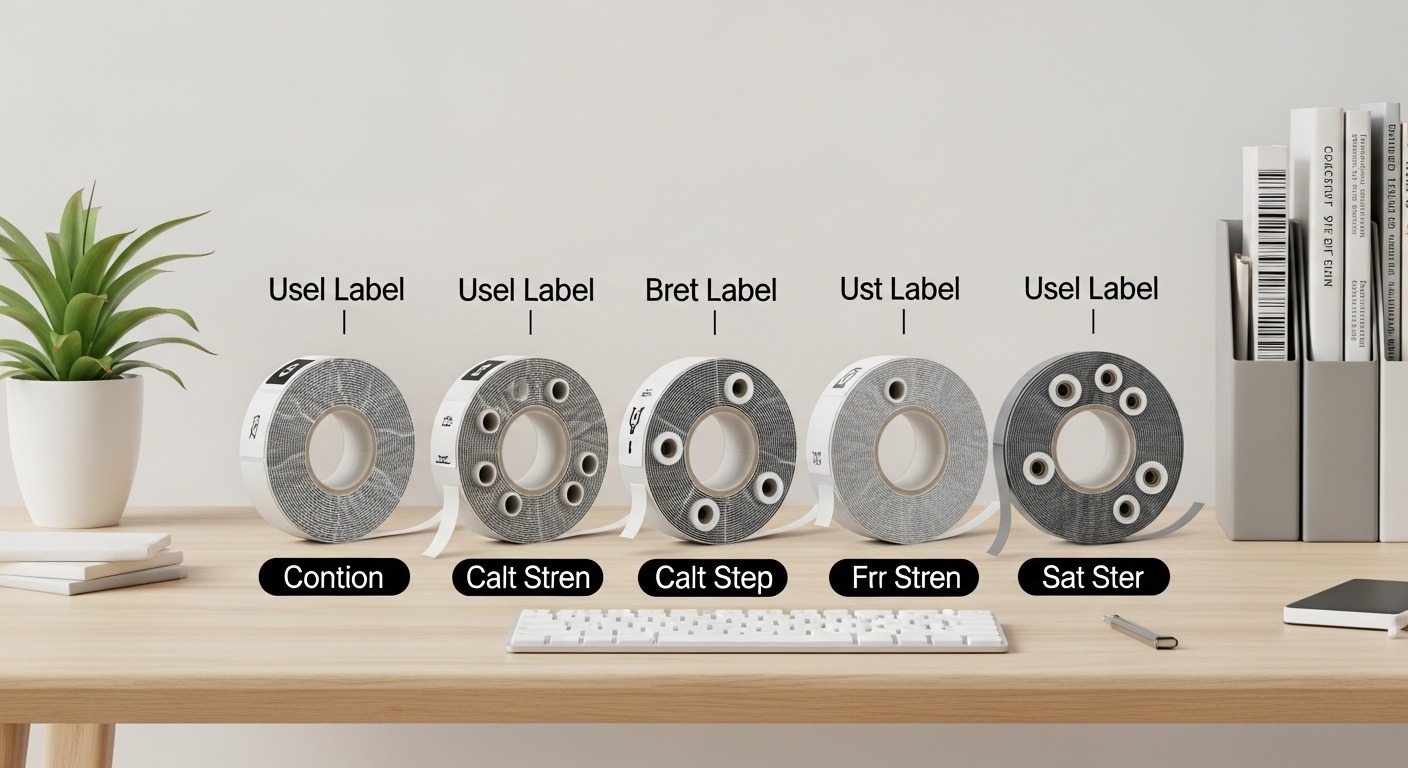
Why Compatibility Matters
Using incompatible label tapes can cause:
- Poor print quality
- Printer head damage
- Jamming issues
- Voided warranties
Most desktop label makers use proprietary cartridges. Others accept compatible label tapes from third-party manufacturers. Thermal shipping printers use thermal label rolls with specific core sizes and widths.
Checklist Before Buying
- Check printer model number
- Confirm tape width (e.g., 6mm, 9mm, 12mm, 24mm)
- Verify printing method (direct thermal vs thermal transfer)
- Match core size for thermal label rolls (usually 1” or 3” core)
- Confirm software recognition compatibility
Case Example
A small eCommerce seller in Dhaka switched from branded cartridges to certified compatible label tapes for shipping labels. After testing for two months, they reported 22% supply cost savings without print degradation. However, initial low-quality alternatives caused smudging until they selected ISO-certified suppliers.
The lesson: Compatibility is not just about fitting. It is about performance.
What Are the Different Types of Label Tape Available?
The main types include laminated tapes, fabric tapes, vinyl tapes, magnetic tapes, and thermal label rolls for shipping and barcode printing.
1. Laminated Label Tapes
Best for office files, folders, shelves, and indoor use. They resist water, heat, and light abrasion.
2. Fabric Label Tapes
Used for clothing tags, school uniforms, and soft surfaces. Often iron-on compatible.
3. Vinyl Label Tapes
Designed for outdoor use. Weather-resistant. Ideal for cables, pipes, and industrial settings.
4. Magnetic Label Tapes
Reusable labeling for metal shelves and racks.
5. Thermal Label Rolls
Used in shipping, retail, barcode systems, and logistics. These require thermal printers. No ink needed.
| Type | Best For | Durability | Indoor/Outdoor |
|---|---|---|---|
| Laminated | Files, storage, office use | Medium | Indoor |
| Vinyl | Cables, pipes | High | Outdoor |
| Fabric | Clothing | Medium | Indoor |
| Thermal Label Rolls | Shipping, barcodes | High (short-term for direct thermal) | Indoor |
Choosing the wrong material reduces lifespan and increases replacement frequency.
Which Label Tape Works Best for Shipping and eCommerce?
Direct thermal label rolls are best for shipping because they print quickly without ink and are cost-efficient for high-volume use.
Shipping operations prioritize speed and scannability. Thermal label rolls produce sharp barcodes essential for courier systems.
Why Direct Thermal Is Popular
- No ink or toner required
- Lower maintenance cost
- Fast printing speed
- Ideal for short-term shipping labels
Limitation
Direct thermal labels may fade when exposed to heat or sunlight. For long-term archiving, thermal transfer is better.
Data Insight
A 2022 logistics performance report from a Southeast Asian fulfillment center showed that switching from inkjet labels to thermal label rolls reduced label printing time by 35% and cut consumable costs by 27% annually.
If you run an online store, thermal label rolls are the practical standard.
How Do Adhesive Types Affect Performance?
Adhesive strength determines whether labels stay attached to paper, plastic, metal, cardboard, or rough surfaces.
Common Adhesive Types
- Permanent adhesive – Long-term bonding. Hard to remove.
- Removable adhesive – Temporary labeling.
- High-tack adhesive – For textured or industrial surfaces.
- Freezer-grade adhesive – Cold storage use.
Using standard adhesive in freezer storage leads to peeling. Using permanent adhesive on rental equipment causes surface damage.
Match adhesive to environment temperature, humidity, and surface material.
What Label Tape Is Best for Industrial and Outdoor Use?
Vinyl or laminated industrial-grade compatible label tapes are best for outdoor and heavy-duty use due to weather resistance and chemical durability.
Industrial Requirements
- Heat resistance
- UV resistance
- Oil and chemical resistance
- Strong adhesion
Factories often use laminated compatible label tapes tested for temperatures from -20°C to 80°C. In electrical panels, labeling must remain readable for safety compliance.
A manufacturing plant audit in 2021 found that replacing paper labels with laminated vinyl tapes reduced safety non-compliance incidents by 14% due to clearer hazard identification.
Durability reduces operational risk.
How Does Label Width and Size Impact Usability?
Choose label width based on content length, readability, and surface size.
Common Widths
- 6mm – Small cables
- 9mm – File folders
- 12mm – General office labeling
- 24mm – Bins and storage boxes
- 4×6 inches – Shipping via thermal label rolls
Using too narrow a tape results in cramped text. Too wide wastes material. Barcode labels require specific size standards for scanner compatibility.
Always test one sample before bulk purchasing.
Are Compatible Label Tapes Safe to Use?
High-quality compatible label tapes are safe when manufactured to meet printer and material standards.
Many businesses reduce supply costs using third-party compatible label tapes. However, quality varies.
How to Evaluate
- Check for ISO certification
- Review print clarity tests
- Confirm adhesive grade
- Test one cartridge before scaling
Do not assume all third-party options are equal. Low-grade adhesive can clog printers or leave residue.
Smart buying means testing before full deployment.
How Can You Reduce Labeling Costs Without Sacrificing Quality?
Standardize tape types, buy in bulk, and choose certified compatible label tapes or thermal label rolls from reliable suppliers.
Cost Optimization Strategy
- Audit monthly label usage
- Calculate cost per label
- Consolidate tape widths where possible
- Use direct thermal for short-term labels
- Switch to bulk thermal label rolls
One regional retailer reduced labeling expenses by 19% after consolidating from five tape types to three standardized formats.
Efficiency is not about buying the cheapest product. It is about choosing the right one for the job.
Conclusion: How Do You Make the Right Choice Every Time?
Choosing the right label tape is not complicated. But it requires clarity. Start with printer compatibility. Identify environment conditions. Match adhesive strength. Select the correct width. Decide between branded and compatible label tapes based on performance testing.
For shipping and high-volume tasks, thermal label rolls remain the most cost-effective option. For industrial and outdoor use, vinyl or laminated tapes provide durability. For office and home use, standard laminated tapes work well.
Small labeling mistakes lead to recurring costs. Smart selection leads to long-term savings.
Before your next purchase, audit your labeling needs. Test samples. Standardize formats. Make labeling an operational advantage—not an afterthought.
Need help choosing the right label solution for your business? Start by reviewing your printer specs and testing certified compatible options today.
Frequently Asked Questions (FAQs)
1. What is the difference between direct thermal and thermal transfer labels?
Direct thermal labels use heat-sensitive paper and require no ink, while thermal transfer labels use ribbon ink for longer-lasting prints. Direct thermal is ideal for shipping. Thermal transfer is better for long-term labeling.
2. Can compatible label tapes damage printers?
High-quality compatible label tapes do not damage printers when manufactured to proper standards. Low-quality products may cause adhesive leakage or print head wear.
3. How long do thermal label rolls last?
Direct thermal labels typically last 6–12 months depending on storage conditions. Avoid heat and sunlight exposure to extend readability.
4. What label tape works best in freezer environments?
Freezer-grade adhesive label tapes are specifically designed to withstand low temperatures without peeling.
5. Are vinyl labels waterproof?
Yes. Vinyl label tapes are water-resistant and suitable for outdoor or humid environments.
6. What size label is standard for shipping?
The most common shipping label size is 4×6 inches, used with thermal label rolls for barcode scanning compatibility.
Related Topics: How to Choose the Right Label Tape for Different Uses
What Next: How to Develop a Business Expansion Strategy Without External Funding